Risk-Metrics
Computer vision that detects operational risks in real time using the cameras you already have.
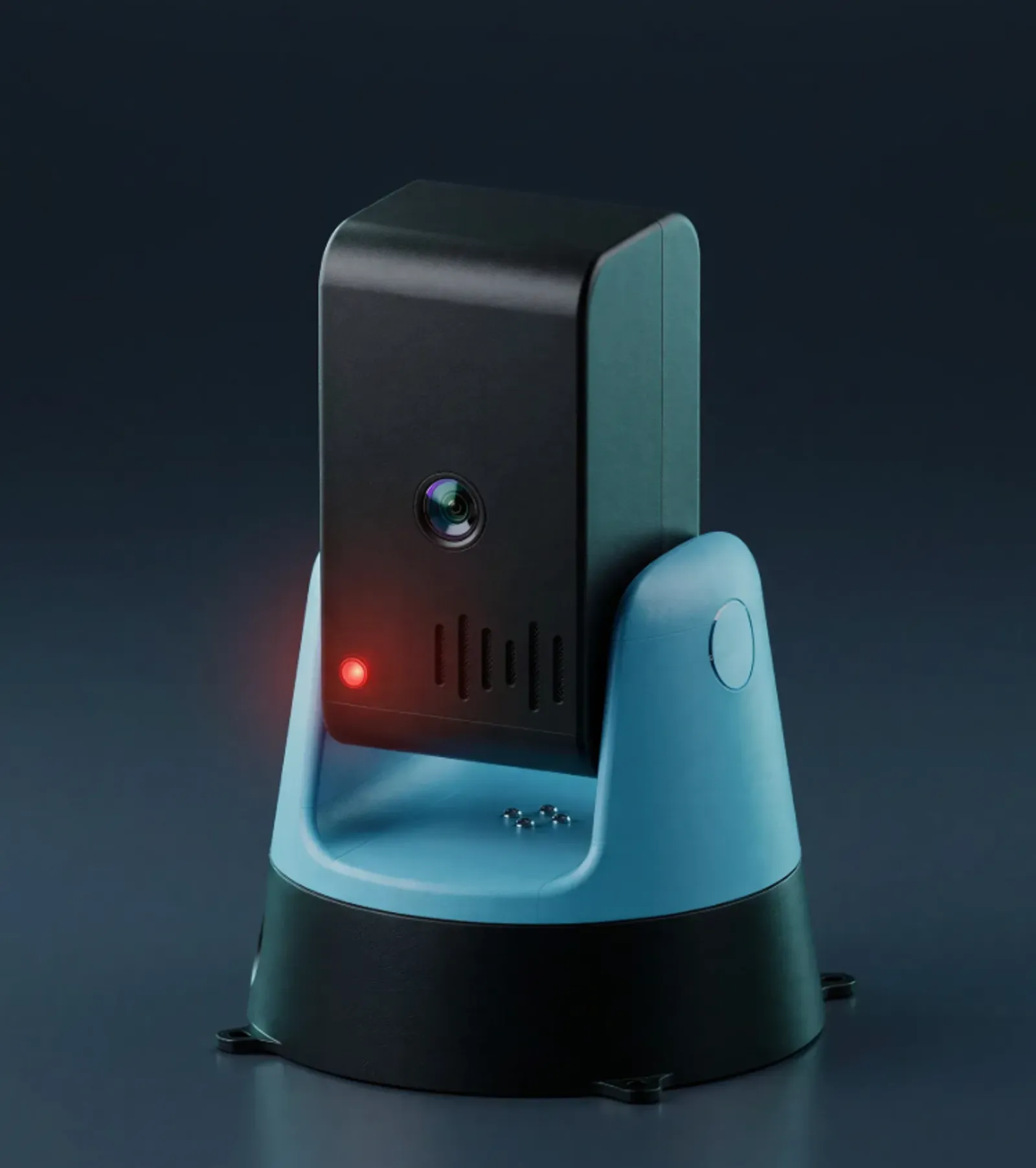
What is Risk-Metrics?
Risk-Metrics is an industrial computer vision solution that transforms operational video (existing RTSP/USB/CSI cameras) into detection of risk activities, real-time alerts, and operational KPIs for safety and productivity. Its value proposition is to close the complete cycle:
Video capture → Event detection and classification → Alert and evidence → KPIs and reports → Continuous improvement
At a technical level, Risk-Metrics combines:
- Video analytics (edge or cloud) event detection with low latency on-site or centralized processing depending on criticality.
- Transfer Learning accelerates adaptation to new sites/equipment/conditions (dust, lighting, angles, machinery models).
- Federated Learning improves models across sites without moving sensitive data, reducing privacy and IT friction.
- Use-case configuration catalog of events and rules by zone, shift, operation type, or asset.
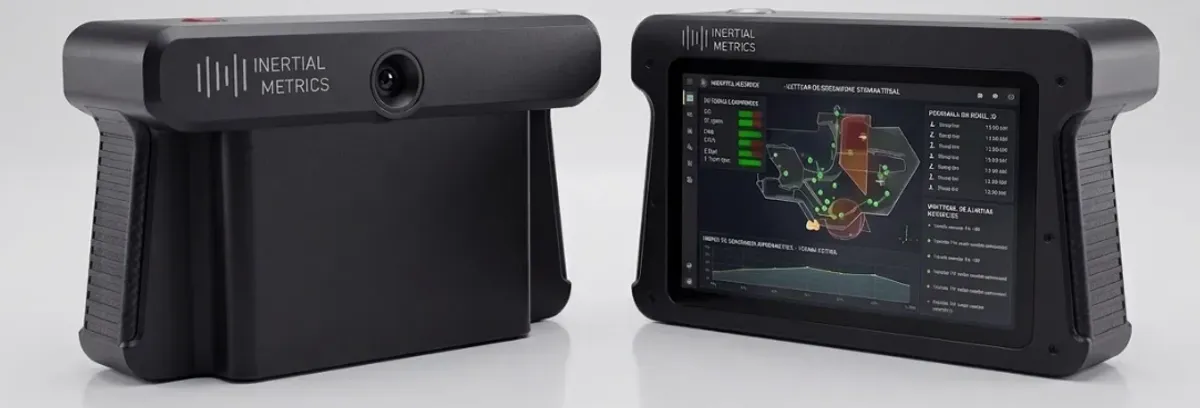
Instead of delivering "just cameras," Risk-Metrics is designed to deliver decisions: what risks are occurring, how frequently, under what conditions, how they impact operations, and what concrete actions reduce exposure and losses.
Descarga los datasheets:
Risk-Metrics DatasheetKey benefits
-
Proactive incident prevention
Risk-Metrics identifies risky behaviors and conditions as they occur (by zone, asset, and operation type), triggering real-time alerts with evidence (clip/frames/event) to enable early intervention. This allows moving from reactive management (post-incident) to preventive management based on exposure: which risks recur, where they occur, in which shifts, and which controls effectively reduce the event rate.
-
Less friction to deploy and scale
Integrates with already-installed video infrastructure (RTSP/USB/CSI) and supports edge or cloud operation depending on latency and connectivity. With Transfer Learning, it accelerates adaptation to new sites and real industrial world variability (dust, vibration, lighting, layout changes, different machinery models), avoiding long "label everything from scratch" projects and reducing the cost of scaling to more cameras, areas, and plants.
-
Privacy and multi-site continuous improvement (without centralizing sensitive data)
With Federated Learning, models can improve across plants/sites without moving raw video outside the environment, aligning with privacy policies and IT restrictions. In practice, this enables a continuous improvement cycle: each site learns from its local conditions, and knowledge is consolidated globally without exposing sensitive content, reducing reputational risk and facilitating internal approvals.
-
Video-based KPIs for safety, operations, and efficiency (one language)
Risk-Metrics transforms detections into metrics by shift/area/asset for daily management and reporting. In addition to safety KPIs (event rate, severity, response times), it incorporates operational efficiency estimation from video, such as: cycle times, downtime/micro-stoppages, effective utilization, and OEE components. With this, the same platform connects safety and productivity.
KPIs by profile

Plant Manager
Focus
Continuity, compliance, incident costs, and productivity.
Solution
Risk event rate by shift/area: frequency and trend (sustained reduction).
Operational impact associated with risk: stoppages, delays, or losses linked to detected events.
Internal standard compliance: compliance evolution and gaps by zone/shift.
OEE from video (when applicable): availability (downtime) and operational performance.
FAQ — Frequently asked questions
Do I need to install new cameras?
Not necessarily. Risk-Metrics integrates with existing cameras (RTSP/USB/CSI).
Does it work in real time?
Yes. It can run on edge for low latency or in cloud depending on the use case.
Is a lot of labeling required to start?
It is minimized through Transfer Learning and adaptation by operation profile.
How do you handle privacy and sensitive data?
Federated Learning allows improving models without centralizing raw video between sites.